Real Photos vs AI Mockups: Which Sells Better in 2026

A teacher seller emailed me recently and asked, “Should I just switch to AI mockups? It would save me a ton of money.”
Honestly? Fair question.
AI image tools have improved fast over the last two years, and TPT is now flooded with AI-generated product covers and mockups. One seller told me she found a bundle of 200 mockups for less than the price of a coffee.
So before you decide whether real-photo mockups are still worth paying for in 2026, here’s what I think sellers need to understand.
What AI Mockups Actually Do Well
AI is fast.
That’s the biggest advantage, and it’s a real one.
If you need a quick Instagram graphic, a Pinterest pin background, or a one-time promo image, AI can generate dozens of usable options in minutes. For content that disappears after a quick scroll, that level of speed is hard to beat.
AI is also useful when you need something oddly specific:
a certain desk color,
a particular hand pose,
a very niche seasonal setup,
or a combination of props you don’t already own.
In those situations, AI can solve a problem that would otherwise require a full photo shoot.
For filler content and one-off visuals, it’s a perfectly reasonable tool. Pretending otherwise would be unrealistic.
Where AI Starts Falling Apart
The problems usually begin when sellers try to build an actual product line with it.
Generate one AI mockup and it may look great.
Generate ten matching ones and things start drifting:
lighting changes,
colors shift,
desk textures vary,
props appear and disappear,
the overall style slowly changes from image to image.
Individually, the images look fine. Together, they stop feeling cohesive.
That matters because TPT stores are built on systems, not single images. Your listings need:
covers,
previews,
and related products that visually belong together.
When that consistency breaks down, your store starts looking pieced together instead of intentional.
And while AI is improving, it still struggles with small details:
warped objects,
strange proportions,
unrealistic shadows,
garbled writing,
extra fingers,
impossible mug handles,
supplies that subtly change shape between images.
Buyers may not consciously notice every issue, but they absolutely notice the overall feeling. That “something feels off” reaction matters more than sellers realize.
The Bigger Issue Sellers Should Pay Attention To
This is the part I think matters most moving into 2026:
Buyers are starting to associate heavy AI usage with low-effort products.
Fair or unfair, that idea is growing.
I’ve seen it in seller groups, product reviews, and conversations with TPT creators. When buyers see an obviously AI-generated cover, many immediately assume:
rushed creation,
lower-quality resources,
or mass-produced products.
And once a buyer questions quality, your cover has already lost part of its job.
Because your cover isn’t just decoration. It’s a trust signal.



What Real Photos Still Do Better
Real photography still has one huge advantage AI cannot consistently replicate:
Cohesion.
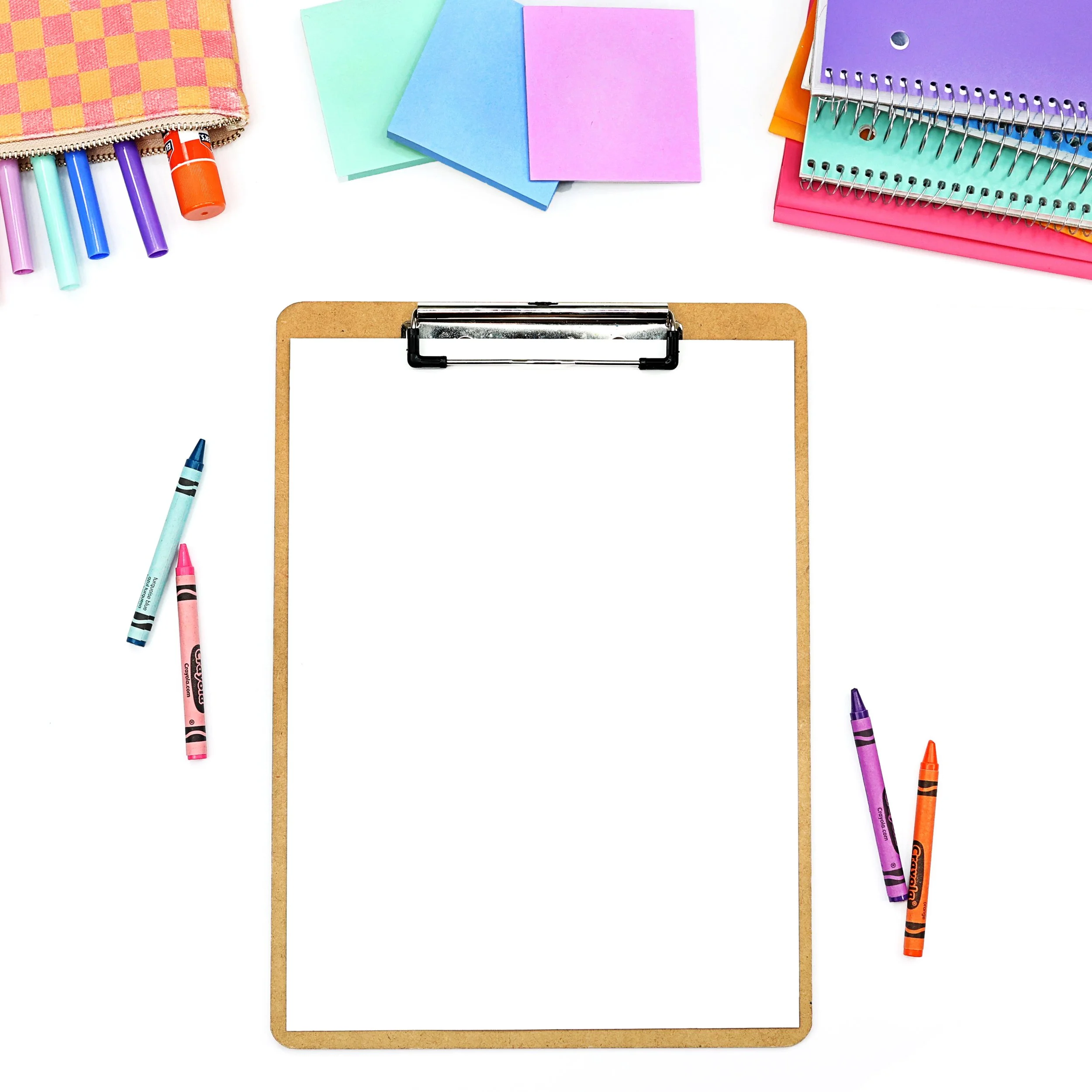
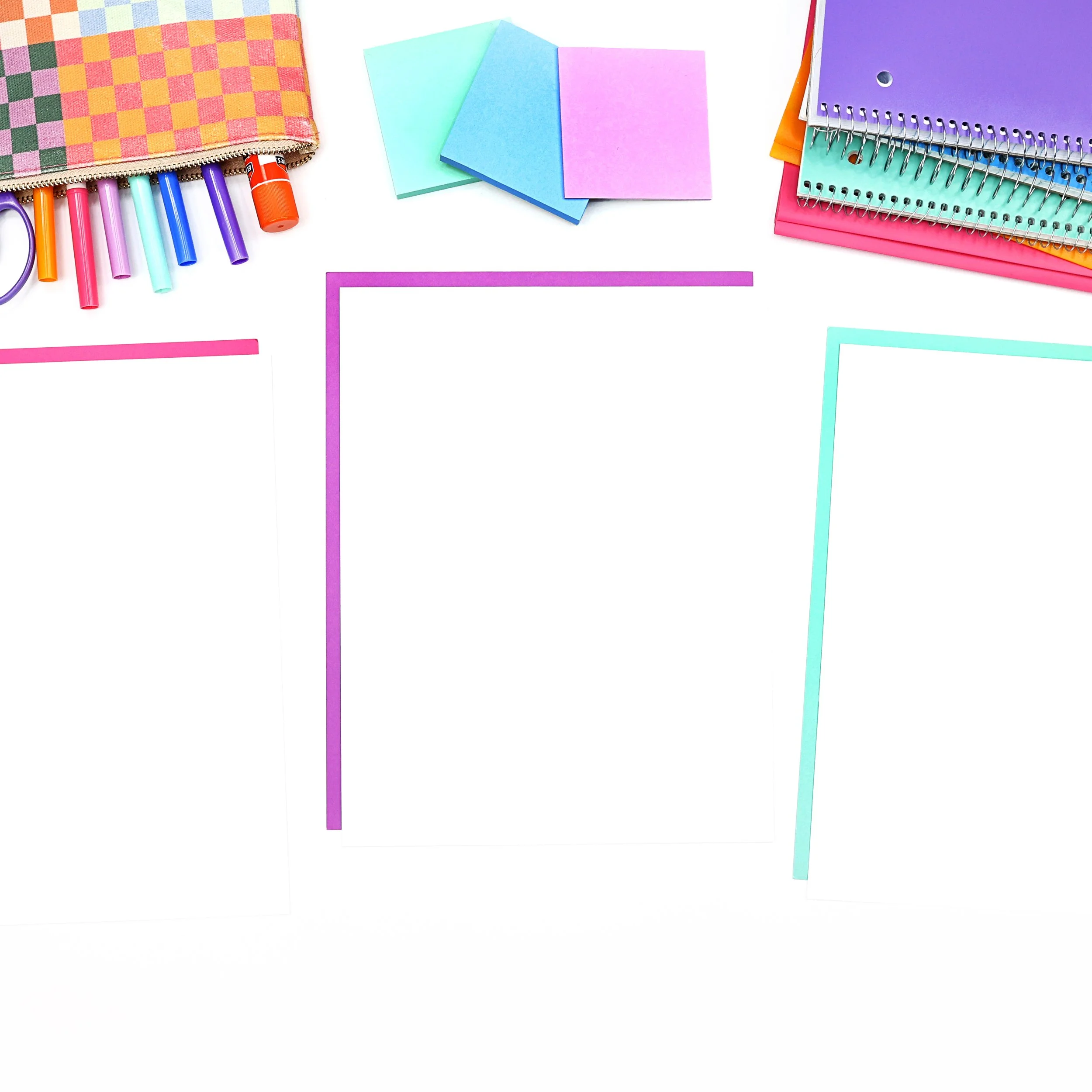
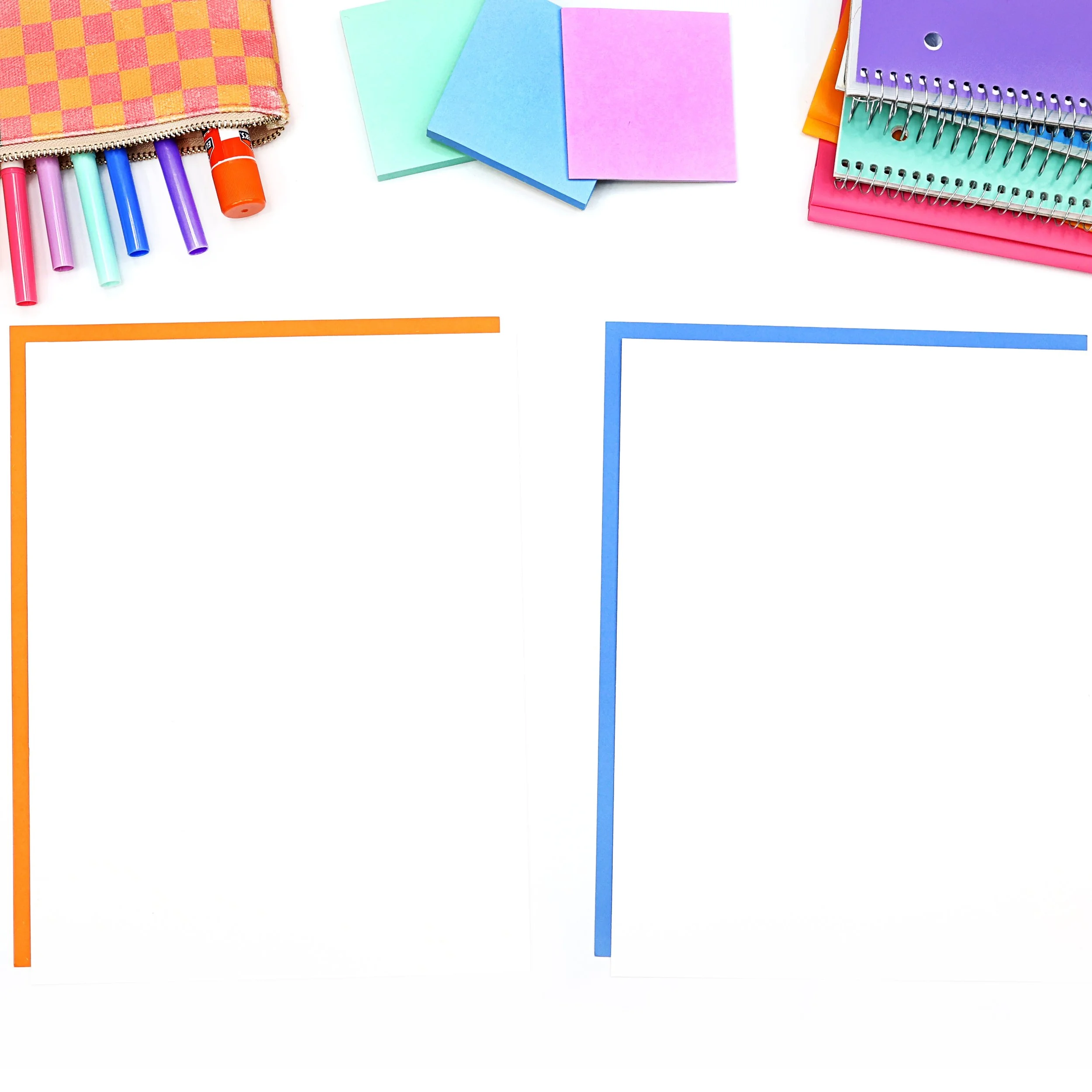
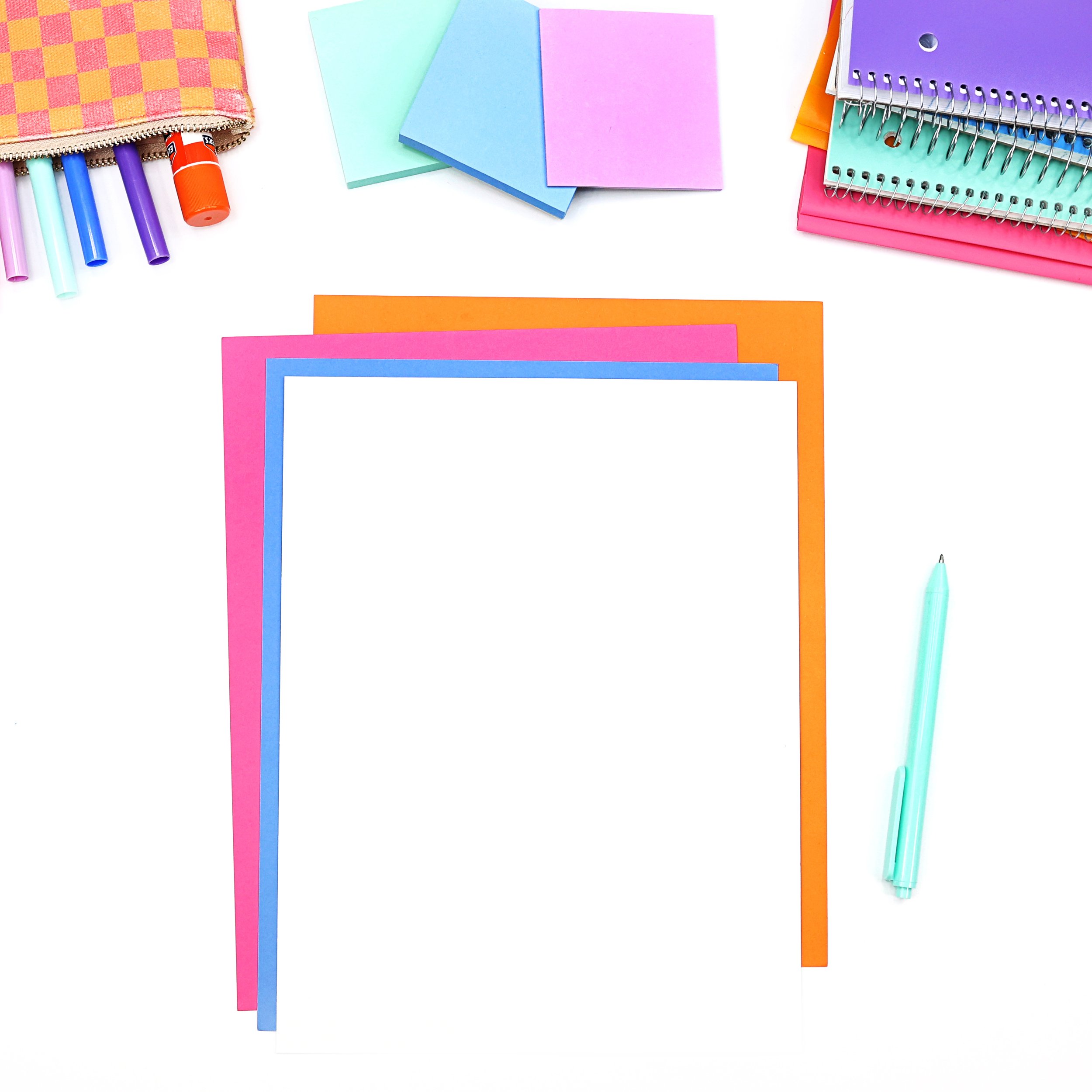
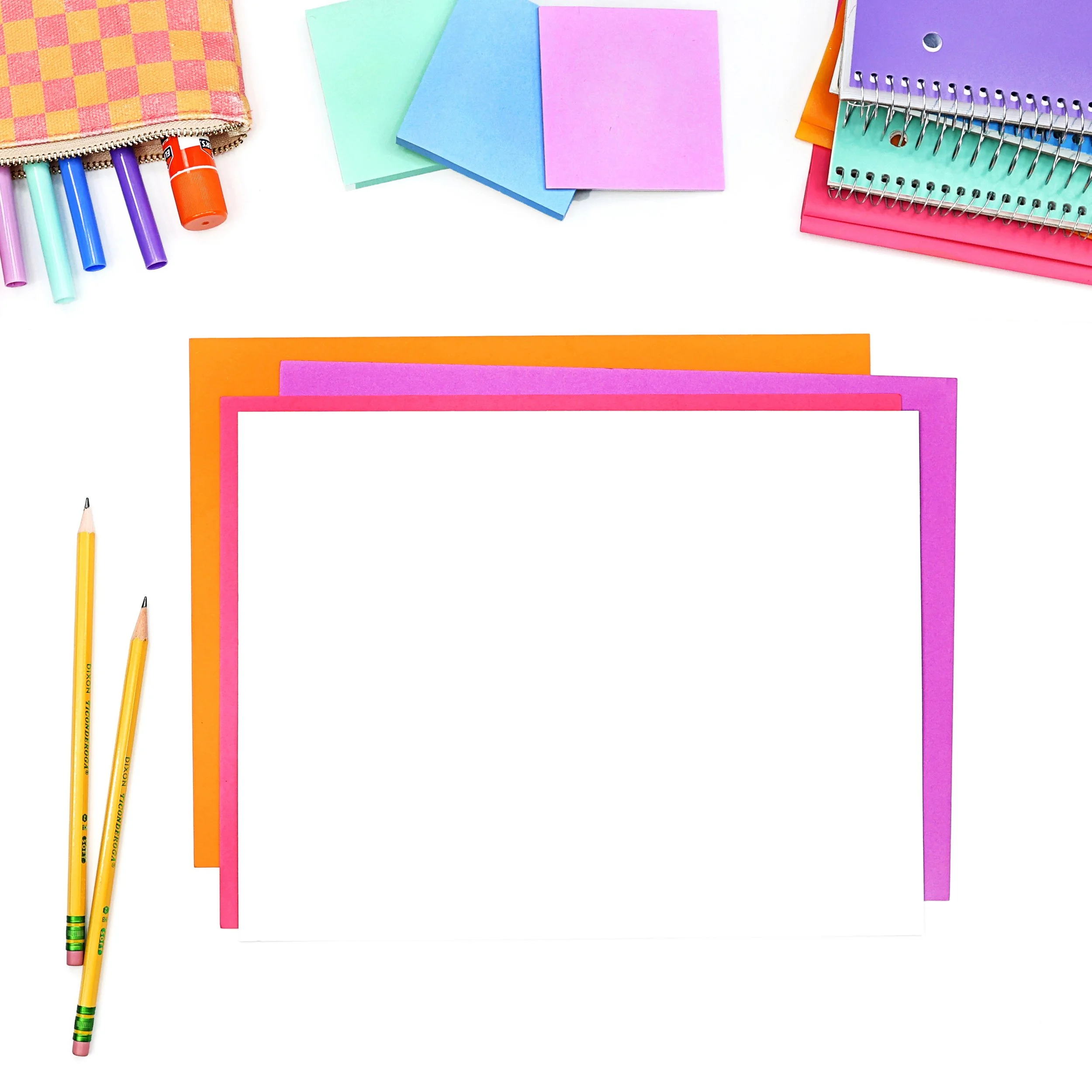
When I shoot a mockup collection in my studio, every image is created under the same conditions:
same lighting,
same backdrop,
same camera settings,
same editing process,
same color palette.
That consistency carries across the entire set.
A seller can use those mockups across:
covers,
previews,
related products,
and social graphics,
and everything still feels connected.
That’s what makes a store feel polished and professional.
Not perfection. Consistency.
And in a marketplace overflowing with visuals, consistency is often what separates memorable brands from forgettable ones.
Real Photos Also Age Differently
One thing I’ve noticed lately is how quickly AI visual trends start to date themselves.
As generation models improve, older AI styles become easy to spot:
overly smooth textures,
unnatural lighting,
exaggerated styling,
hyper-perfect scenes that no longer feel current.
Real photography tends to hold up longer because it’s grounded in actual materials, lighting, and environments.
A well-shot mockup collection from 2022 can still feel relevant today.
That longevity matters when you’re building an entire store around a visual identity.
So When Should You Use Each?
AI works well for:
quick social graphics,
temporary marketing images,
brainstorming concepts,
niche one-off visuals,
fast filler content.
Real photos work best for:
product covers,
previews,
product lines,
and long-term shop cohesion.
Your cover image has about half a second to communicate:
“This product is trustworthy, polished, and worth clicking.”
That split-second reaction matters more now than ever.
The Direction I Think the Market is Heading
I don’t think the future is fully AI or fully traditional photography.
The strongest sellers will probably use both strategically.
Sellers want the authenticity of real photography but the flexibility to create something specific quickly.
My Recommendation
If you’re refreshing your TPT store this summer, I’d focus your budget on real-photo mockups for the places that matter most! Use AI where speed matters more than permanence. But for the assets directly responsible for building trust and driving clicks, consistency still wins. And right now, real photography is still the strongest tool for creating that consistency at scale.
If you want to see examples of cohesive real-photo mockup collections designed specifically for TPT sellers, you can browse my full catalog on TPT.
💛 Katie
